
Socket Socket Set: How to Choose the Right Set
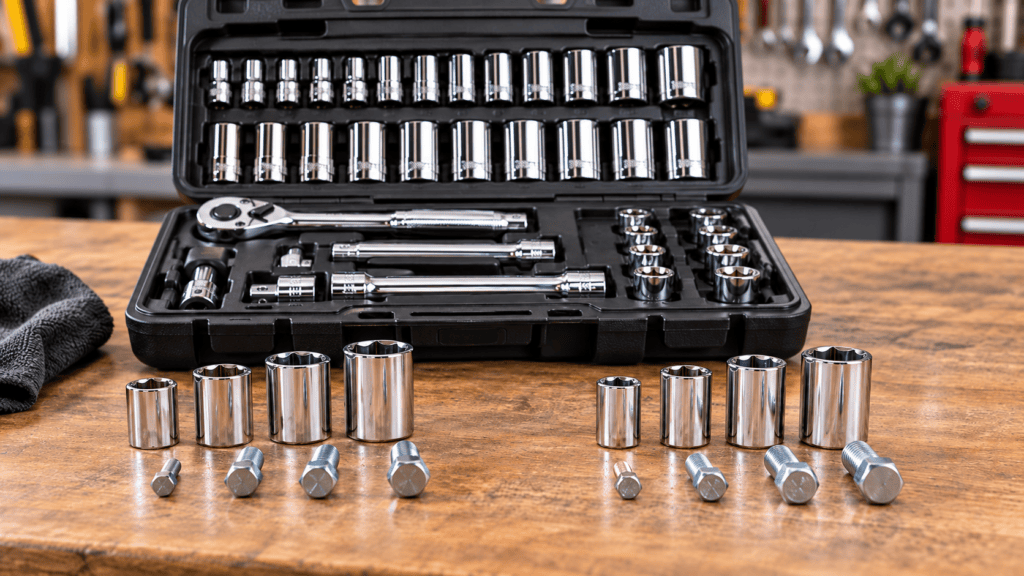
A socket socket set is one of the most useful additions to any collection of hand tools. Whether you are repairing a car, assembling furniture, working on machinery, or handling basic home maintenance, the right socket and set can make difficult jobs faster and easier.
This guide explains what a socket set includes, how different sizes and drive types work, and what you should consider before buying one. You will also learn about metric and SAE sizes, deep sockets, ratchet options, organizers, and other features that can help you choose the right tool for your needs. If you want to avoid buying the wrong product and build a useful collection of tools, this article is worth reading.
Article Outline
- What Is a Socket Socket Set and How Does It Work?
- Why Should Every Homeowner Have a Socket Set?
- What Are the Different Socket Drive Sizes?
- What Is a 1/4-Inch Drive?
- When Should You Use a 3/8-Inch Drive?
- What Jobs Need a 1/2-Inch Drive?
- Metric vs SAE: Which Socket Set Do You Need?
- What Is the Difference Between Deep and Standard Sockets?
- Why Is a Ratchet Important in a Socket and Ratchet System?
- Should You Choose 6-Point or 12-Point Sockets?
- What Should You Look for in a Metric Socket Set?
- Are Bit Socket Sets Worth Buying?
- How Many Pieces Should a Good Master Socket Set Have?
- Why Does an Organizer or Tray Matter?
- How Can You Choose the Best Socket Set for Your Needs?
What Is a Socket Socket Set and How Does It Work?
A socket socket set is a collection of interchangeable sockets designed to fit different bolts, fasteners, and nuts. Each socket connects to a handle, usually a ratchet, allowing the user to turn a fastener without repeatedly removing and repositioning the tool.
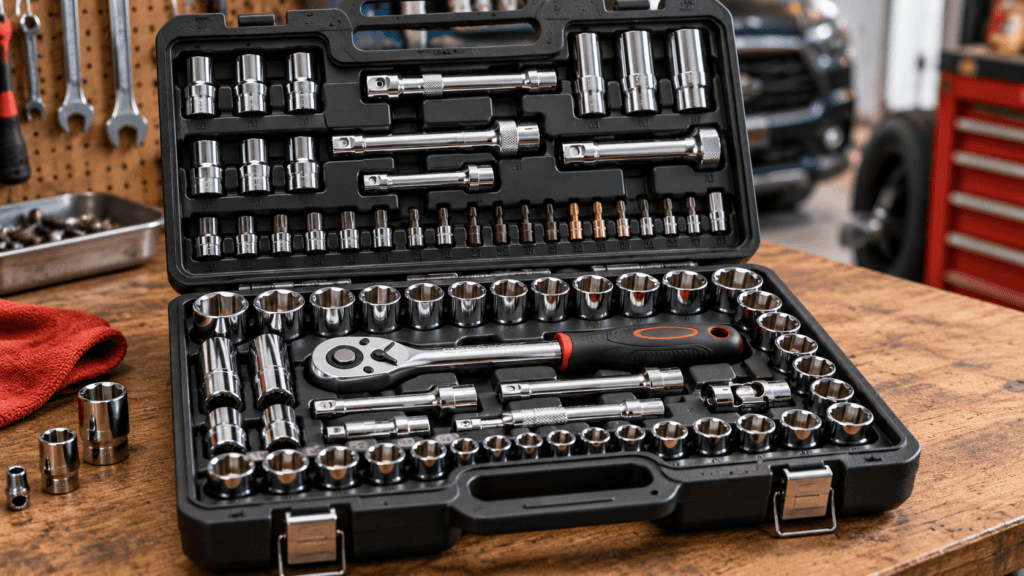
The main advantage of this type of set is versatility. Instead of owning a separate wrench for every size, you can use multiple sockets with the same handle. A typical socket set may include standard sockets, deep sockets, extensions, adapters, and other useful accessories.
The size of the socket must match the fastener correctly. Using the wrong size can damage the edges of a bolt or Nut, so choosing the correct socket is important. A well-organized tool collection makes it easier to find the right size quickly and complete work safely.
Why Should Every Homeowner Have a Socket Set?
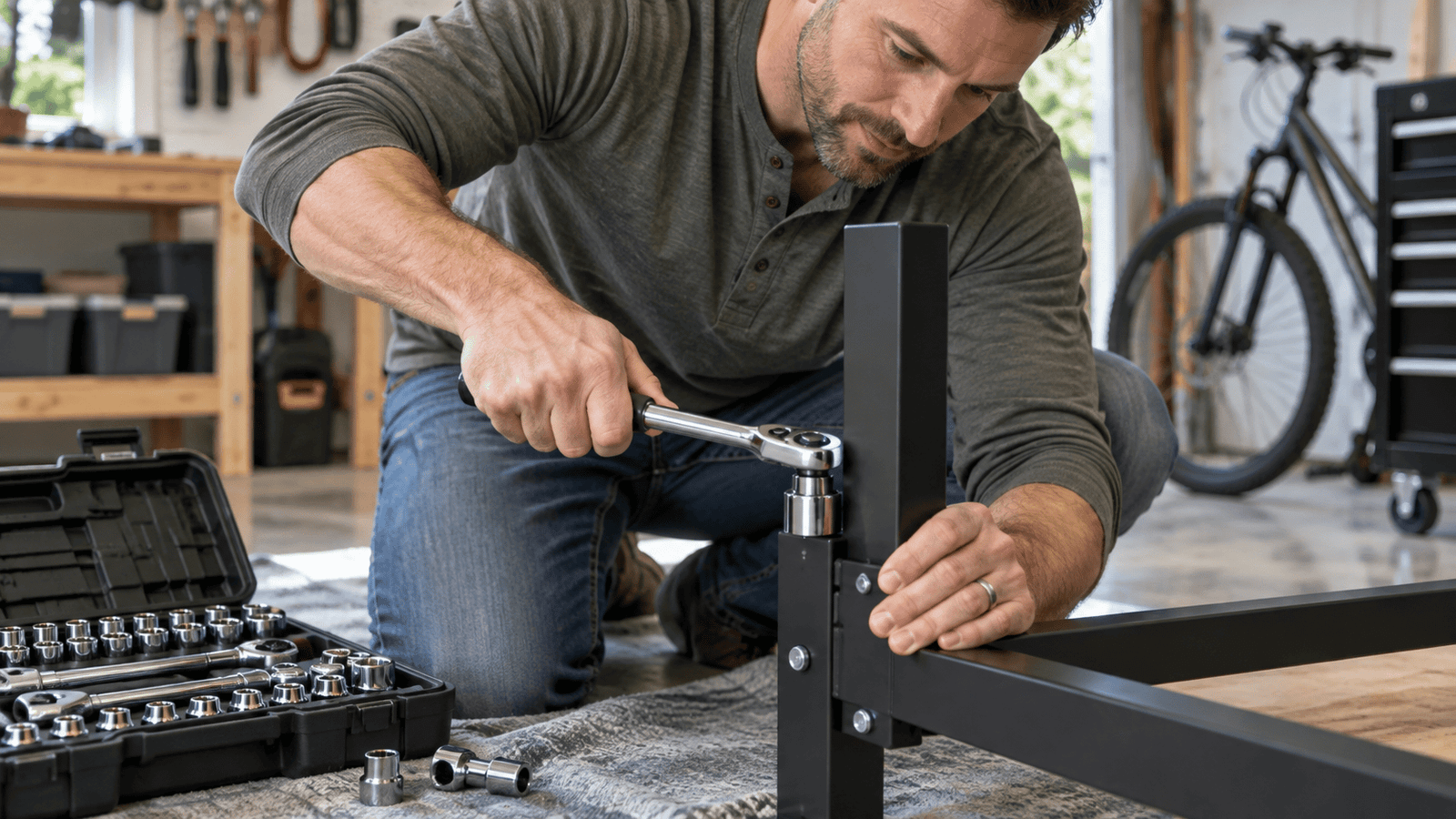
A quality set can be useful for many common household repairs. Furniture, motorcycles, bicycles, lawn equipment, appliances, and other items often contain bolts that are easier to remove with a socket than with traditional hand tools.
A socket also provides more complete contact around a fastener than some open-ended tools. This can improve control and reduce the chance of slipping. For basic home repairs, a medium-sized socket set with common sizes can handle many everyday tasks.
Homeowners do not always need a large professional master collection. A smaller product with commonly used sizes may be enough for simple maintenance. However, people who work on cars or equipment regularly may benefit from a larger set with more accessories and a stronger ratchet.
What Are the Different Socket Drive Sizes?
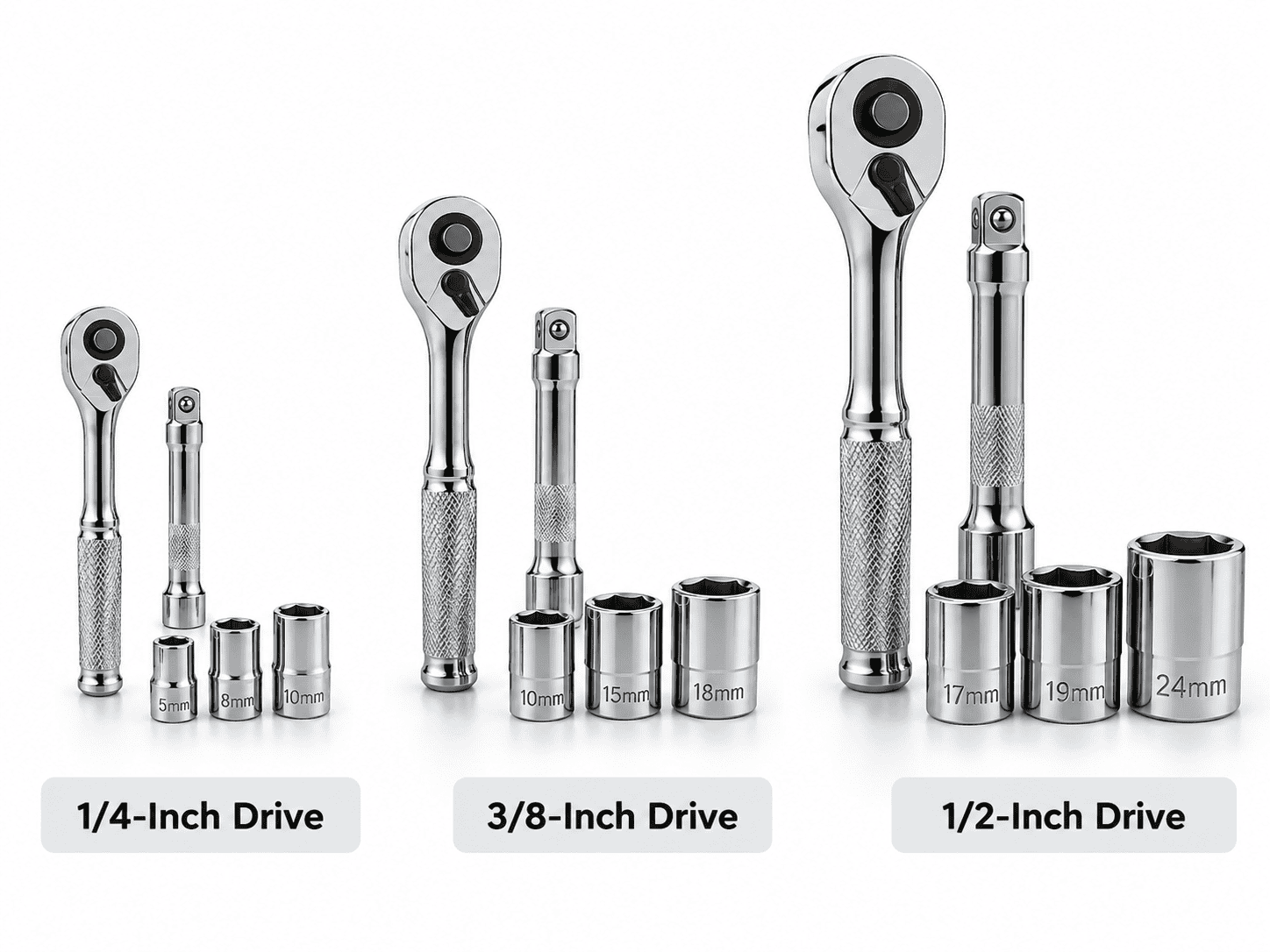
The drive size refers to the square connection that attaches the socket to the handle. Different drive sizes are designed for different types of work and different levels of torque.
The most common options are 1/4-inch, 3/8-inch, and 1/2-inch drive systems. Smaller drives are useful for lighter work and tight spaces, while larger options are generally better for heavy-duty jobs.
Choosing the right drive socket depends on the size of the fastener and the amount of force required. A good socket collection may include more than one drive size so the user has flexibility for different jobs.
What Is a 1/4-Inch Drive Socket Used For?
A small drive system is useful when working in narrow areas or with smaller fasteners. It is commonly used for electronics, small engines, appliances, and detailed mechanical work.
Because the socket is smaller, it can provide better access to tight spaces. Extensions and adapters can make this type of tool even more flexible.
When Should You Use a 3/8-Inch Drive?
A 3/8-inch drive is often considered a versatile middle option. It can handle many automotive repairs and general maintenance tasks without being too large or too small.
For many users, this is one of the most useful sizes in a general socket set. It works well with a variety of socket sizes and can be used for both home and mechanical projects.
What Jobs Need a 1/2-Inch Drive?
A larger drive is designed for tougher applications. It is commonly used for larger bolts and jobs that require more force.
Automotive suspension work, larger machinery, and heavy-duty repairs may require this type of system. Always use a strong and properly rated tool when applying significant force.
Metric vs SAE: Which Socket Set Do You Need?
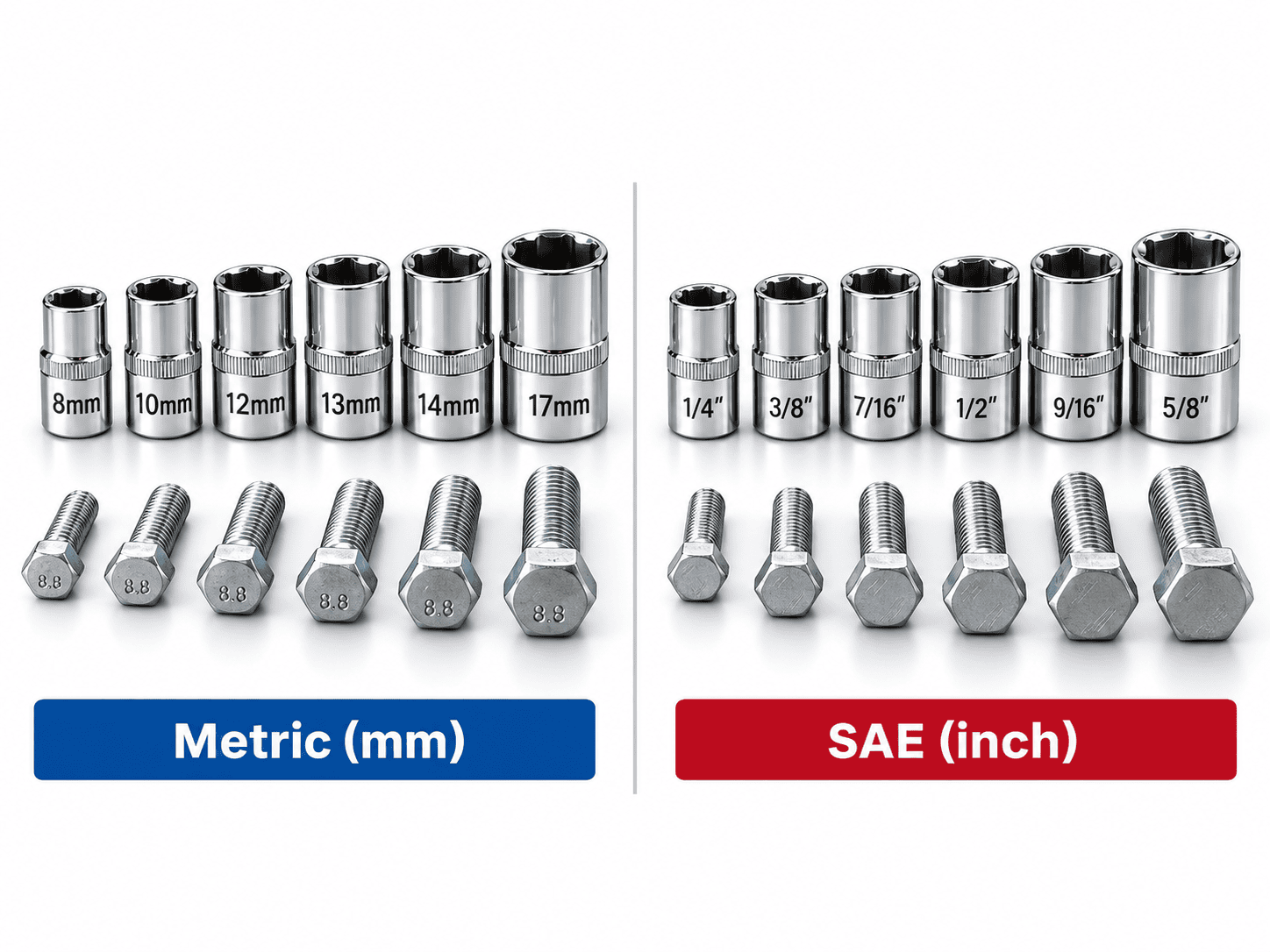
One of the most important decisions is choosing between metric and SAE sizes. Metric measurements are generally expressed in mm, while SAE sizes are commonly measured in fractions of an inch.
Many modern vehicles and products use metric fasteners, while some older equipment and American-made machinery may use SAE sizes. For this reason, people who work on different types of equipment often prefer a collection that includes both systems.
A metric socket is useful for fasteners measured in millimeters. Common sizes may include 8 mm, 10 mm, 12 mm, 13 mm, and 14 mm. Having the correct measurement helps prevent slipping and damage.
If your work involves different types of vehicles or equipment, a set containing SAE and metric options can provide greater flexibility. Before purchasing, check the type of fasteners you expect to work with most often.
What Is the Difference Between Deep and Standard Sockets?
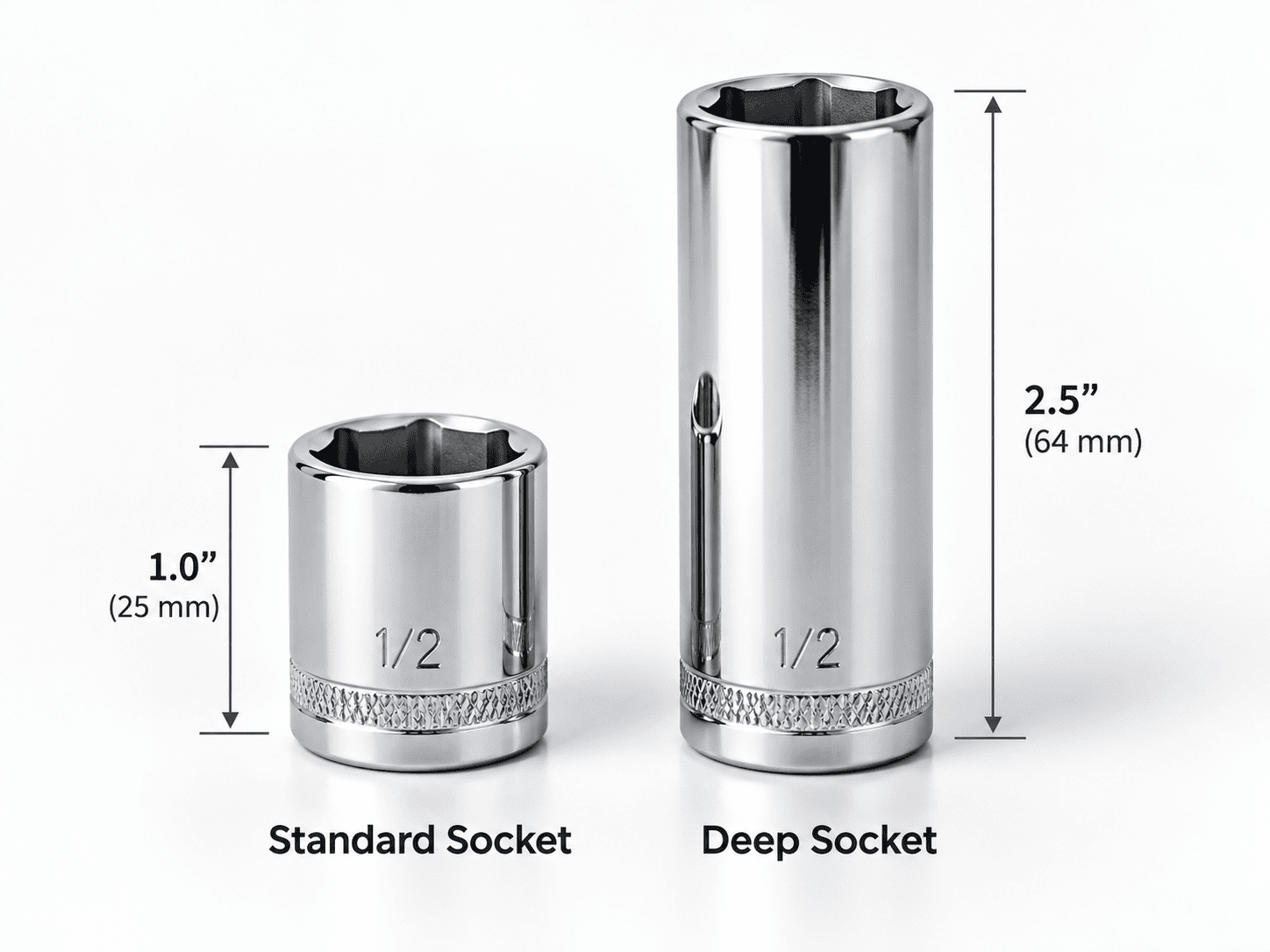
A standard socket is designed for typical bolts and fasteners. It is usually shorter and works well when there is enough space around the fastener.
A deep socket is longer and can reach nuts positioned on longer bolts or threaded rods. This makes deep designs useful in automotive and mechanical applications where a standard option may not reach far enough.
A complete set often includes both standard and deep options. Having both types gives you more flexibility and reduces the need to purchase additional tools later.
However, deeper sockets are not always necessary. They can take up more space and may not fit easily in every location. The best choice depends on the type of work you plan to perform.
Why Is a Ratchet Important in a Socket and Ratchet System?
A ratchet is the handle that turns the socket. Its mechanism allows the user to move the handle back and forth while continuing to turn the fastener in one direction.
This saves time compared with removing and repositioning a traditional wrench after every turn. A good ratchet can make work faster, especially in areas where there is limited room for movement.
Many people prefer a fine-tooth ratchet because it requires less movement to engage the next position. This can be helpful when working in tight engine compartments or crowded mechanical spaces.
When choosing a socket and ratchet combination, consider the quality of the handle, the comfort of the grip, and how smoothly the mechanism operates. A durable tool can last for years when properly maintained.
Should You Choose 6-Point or 12-Point Sockets?
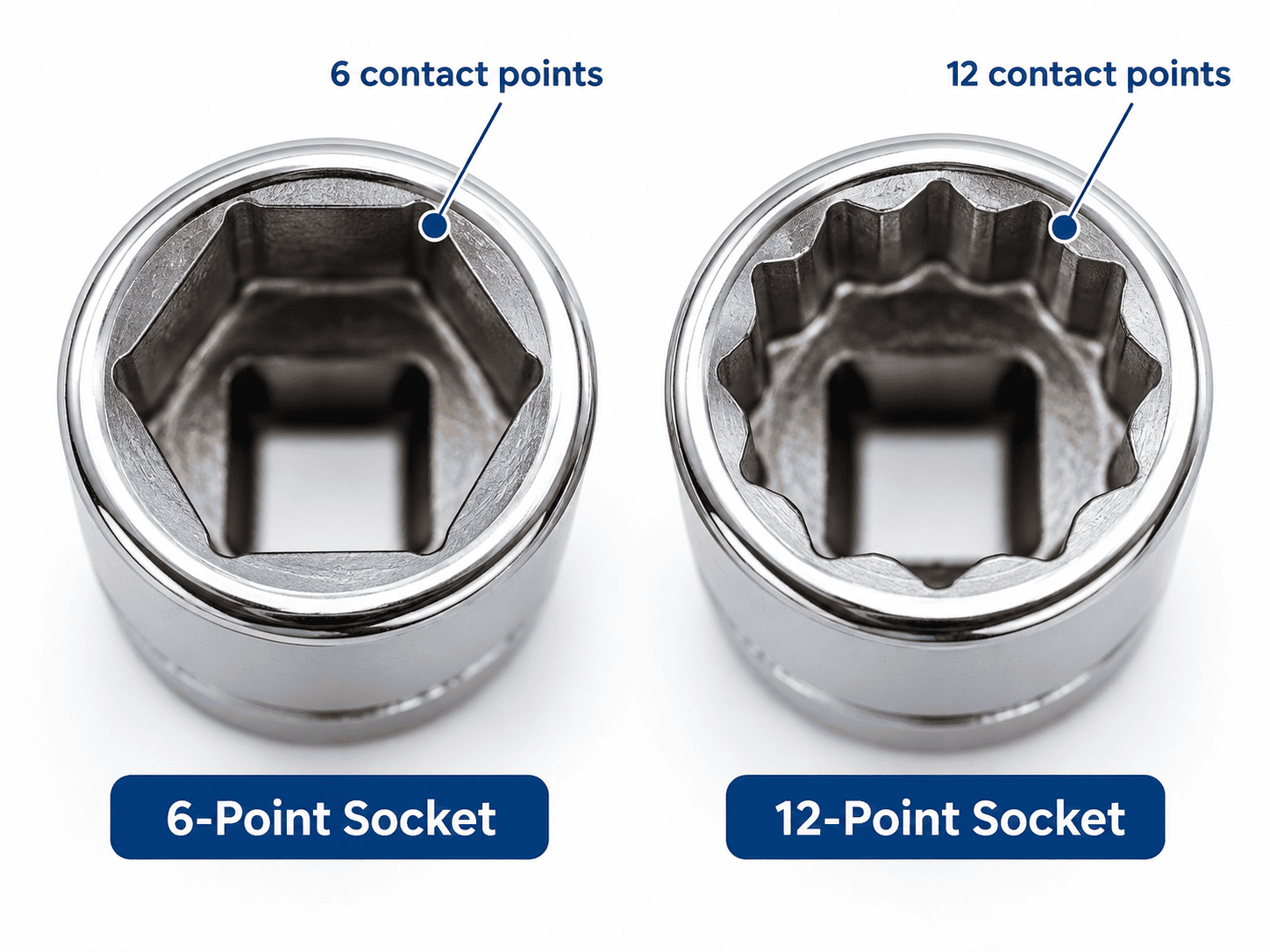
The number of contact points inside a socket affects how it fits around a fastener. A 6-point design contacts the flat sides of a hex-shaped bolt more directly.
This design can provide a strong grip and may reduce the risk of rounding the edges of heavily tightened fasteners. For demanding jobs, many users prefer a 6-point option because of its solid contact.
A 12-point design can be easier to position because it offers more engagement angles. However, the correct choice depends on the fastener and the application.
Always make sure the socket fits securely before applying force. A loose fit can damage the fastener and make the repair more difficult.
What Should You Look for in a Metric Socket Set?
A good metric socket set should include the sizes you are most likely to use. Common measurements can cover many automotive, bicycle, appliance, and general repair applications.
Before buying, check the size range included in the product. A larger collection may offer more options, but a smaller set with useful sizes may provide better value for basic users.
The quality of the material also matters. Durable steel construction is generally preferred for long-term use. If you need to work with powered equipment, make sure you use the correct type, such as an impact socket, when required.
Another important factor is organization. A clearly labeled case makes it easier to identify each metric size and return it after use.
Are Bit Socket Sets Worth Buying?
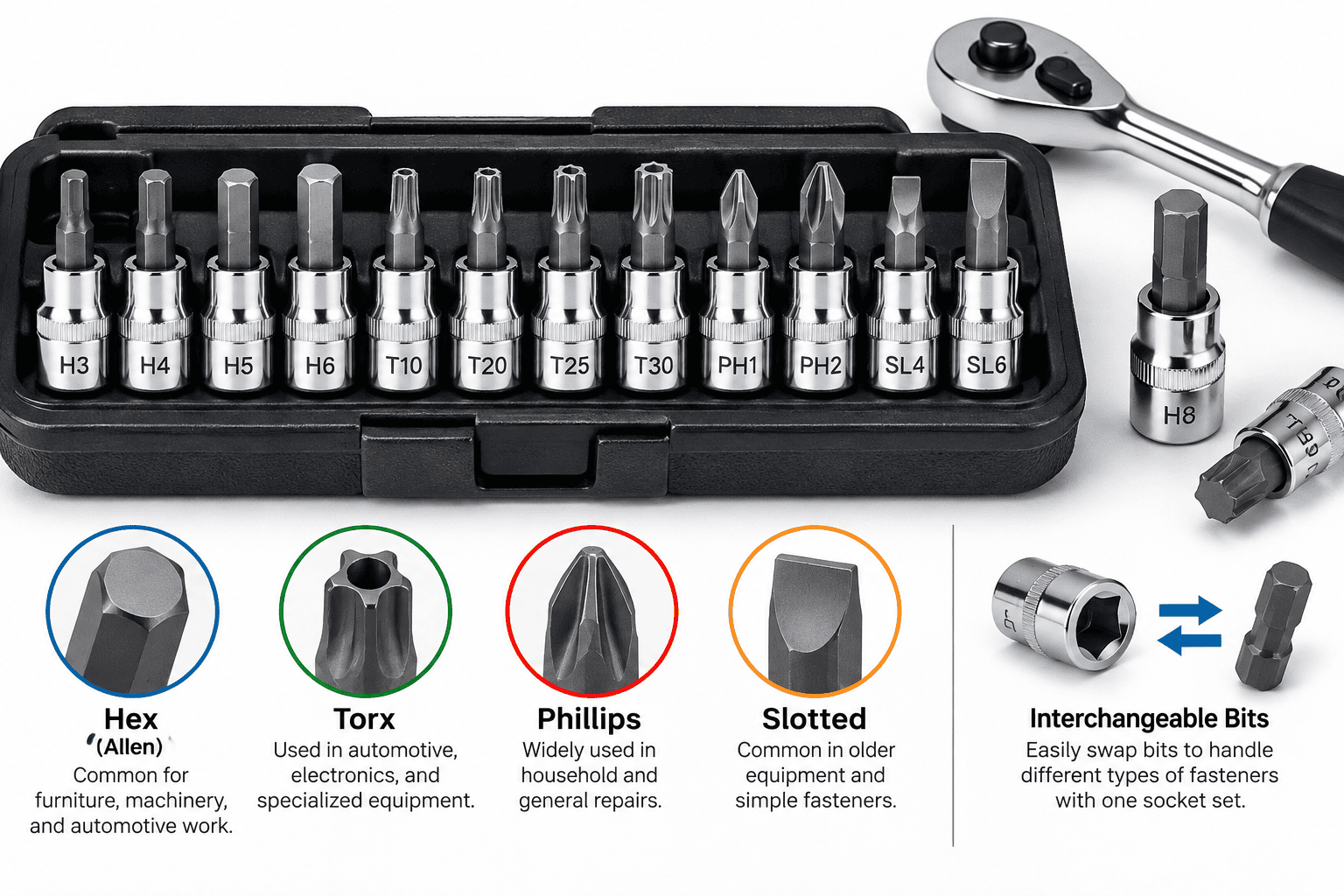
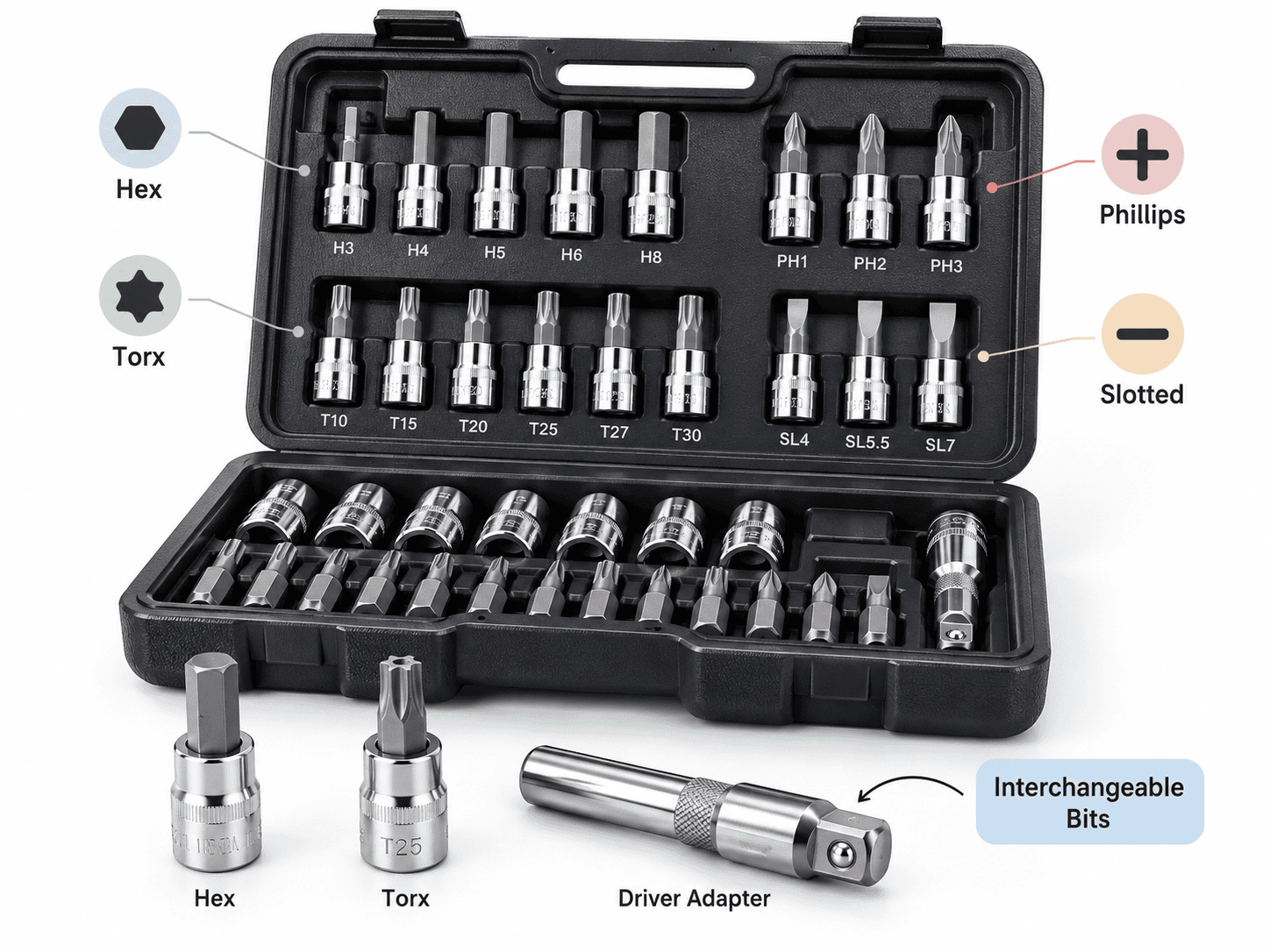
A bit socket set combines sockets with interchangeable bits. These can be useful for working with hex, Torx, and other specialized fasteners.
A standard socket collection may not handle every type of fastener. Adding a bit set can increase the versatility of your tool collection without requiring many separate handles.
For example, a hex bit can be useful for certain furniture, machinery, and automotive components. Different products may include a variety of bit types depending on their intended use.
If you regularly perform different types of repairs, a bit socket set can be a practical addition. However, basic users should first make sure they own the most common sockets before purchasing highly specialized accessories.
How Many Pieces Should a Good Master Socket Set Have?
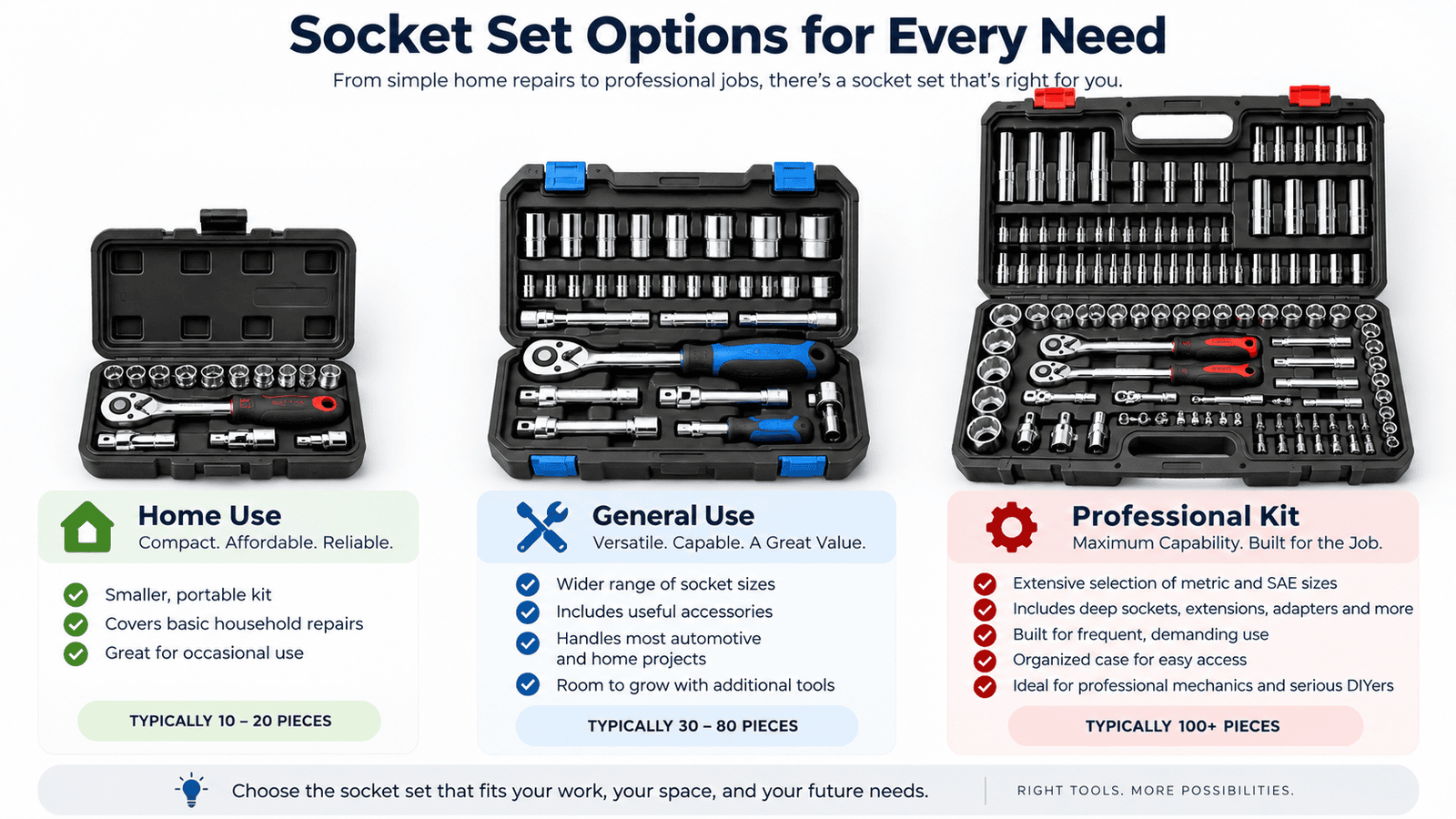
The number of pieces in a collection can vary significantly. A small set may contain only the most common sizes, while a large master collection may include hundreds of components.
More pieces do not always mean better value. Some large collections include accessories that a casual homeowner may never use. Before buying, consider what types of projects you actually perform.
A useful piece count should include common socket sizes, a quality handle, and practical accessories. Extensions and adapters can be valuable because they improve reach and compatibility.
Professional mechanics may prefer a master set because they encounter many different fasteners. For ordinary home use, a more compact collection may be easier to store and maintain.
Why Does an Organizer or Tray Matter?
Organization is an important part of owning a large collection of tools. Without a proper organizer, sockets can easily become mixed together or lost.
A storage tray can keep every socket in a labeled position. This helps users quickly identify the correct size and makes cleanup easier after a project.
Some modern systems include a low-profile organizer designed to fit into tool storage systems. A socket set with Packout low-profile storage can be convenient for people who transport tools between different work locations.
A set with Packout low-profile organizer storage may be especially useful for professionals, but homeowners can also benefit from any durable case that keeps the collection secure.
The best organizer should make it easy to see what is included and quickly notice when a socket is missing.
How Can You Choose the Best Socket Set for Your Needs?
Choosing the best option depends on the type of work you do. A homeowner may need a compact and affordable collection, while a professional mechanic may require multiple drive systems and a wider range of sizes.
Start by considering whether you need metric, SAE, or both. Then look at the drive sizes, included accessories, and the quality of the ratchet mechanism.
You should also consider whether you need deep sockets, standard options, or specialized accessories. If you work in tight spaces, extensions can improve access and make certain repairs easier.
Do not choose a product only because it has the highest number of pieces. Focus on quality, useful sizes, durability, and organization. A carefully selected socket set can be more valuable than a large collection filled with tools you rarely use.
For most users, the ideal choice is one that covers common repairs while leaving room to expand later. You can always add specialized tools as your needs grow.
Frequently Asked Questions About Socket Sets
What is included in a typical socket set?
A typical collection may include several socket sizes, a ratchet handle, extensions, adapters, and sometimes specialized accessories. The exact contents depend on the manufacturer and the intended purpose of the set.
Should I buy metric or SAE sockets?
If you work mainly on modern vehicles and equipment, metric sizes may be more useful. If you work with older American equipment, SAE may also be necessary.
Are deep sockets necessary?
Deep sockets are useful when working with long bolts or recessed nuts. They are not required for every job, but they can make certain repairs much easier.
What is the most useful drive size?
For general-purpose work, many users find a medium drive system highly versatile. However, owning multiple drive sizes provides more flexibility for different tasks.
Can one socket set handle every job?
No single collection can handle absolutely every repair. Specialized work may require additional tools, but a well-chosen general set can cover a large number of common tasks.
Final Thoughts
A quality socket set is one of the most practical investments for anyone who performs home maintenance, mechanical repairs, or DIY projects. Understanding the difference between drive sizes, metric and SAE measurements, deep and standard designs, and different storage options can help you make a smarter decision.
The right collection does not need to contain every possible accessory. Instead, it should include the sizes and features that match your most common projects. A durable socket, reliable handle, and organized storage system can make your work easier and more efficient.
As your experience grows, you can expand your collection with specialized items such as bit accessories, deep options, or additional drive sizes. Starting with a useful and reliable foundation is often the smartest approach.
Key Things to Remember
- A socket socket set is useful for home repairs, automotive work, and DIY projects.
- Choose the correct socket size to avoid damaging bolts and fasteners.
- Different drive sizes are designed for different types of work.
- Metric sizes are measured in mm, while SAE sizes use inch-based measurements.
- A deep socket is useful for long bolts and recessed fasteners.
- A quality ratchet makes tightening and loosening fasteners faster.
- 6-point designs can provide strong contact with hex-shaped fasteners.
- A metric socket set is especially useful for many modern vehicles and appliances.
- Bit accessories can expand the types of fasteners your tools can handle.
- Do not choose a collection only because it contains the highest number of pieces.
- A good organizer or tray helps prevent lost sockets and saves time.
- The best set is the one that matches your actual repair and maintenance needs.