
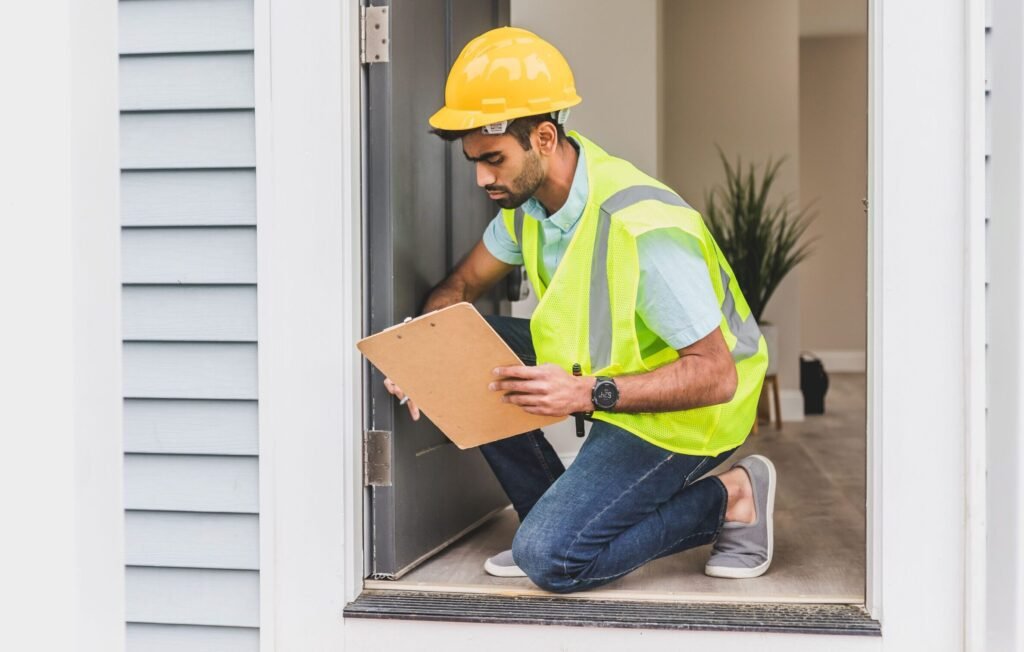
Specialized Tools Used by Structural Engineers for Home Foundation Inspection
Every home rests on one thing that most people never think about until something goes wrong: the foundation. When cracks appear in a wall, a door stops closing properly, or a floor starts to slope, homeowners often call in a structural engineer to figure out what’s really happening beneath the surface. But how does a structural engineer actually diagnose a foundation problem? The answer lies in a specialized toolkit designed to measure, test, and analyze what the human eye simply cannot see.
This article is worth reading because it pulls back the curtain on the inspection process that protects the biggest investment most people will ever make — their home. Whether you’re a homeowner worried about a crack in your basement wall, a home buyer trying to understand what a home inspection report means, or simply someone curious about how professionals evaluate structural safety, this guide walks you through the exact tools and methods structural engineers use during a structural engineer foundation inspection. By the end, you’ll understand not only what these tools do, but why each one matters for catching foundation issues before they become expensive, dangerous problems.
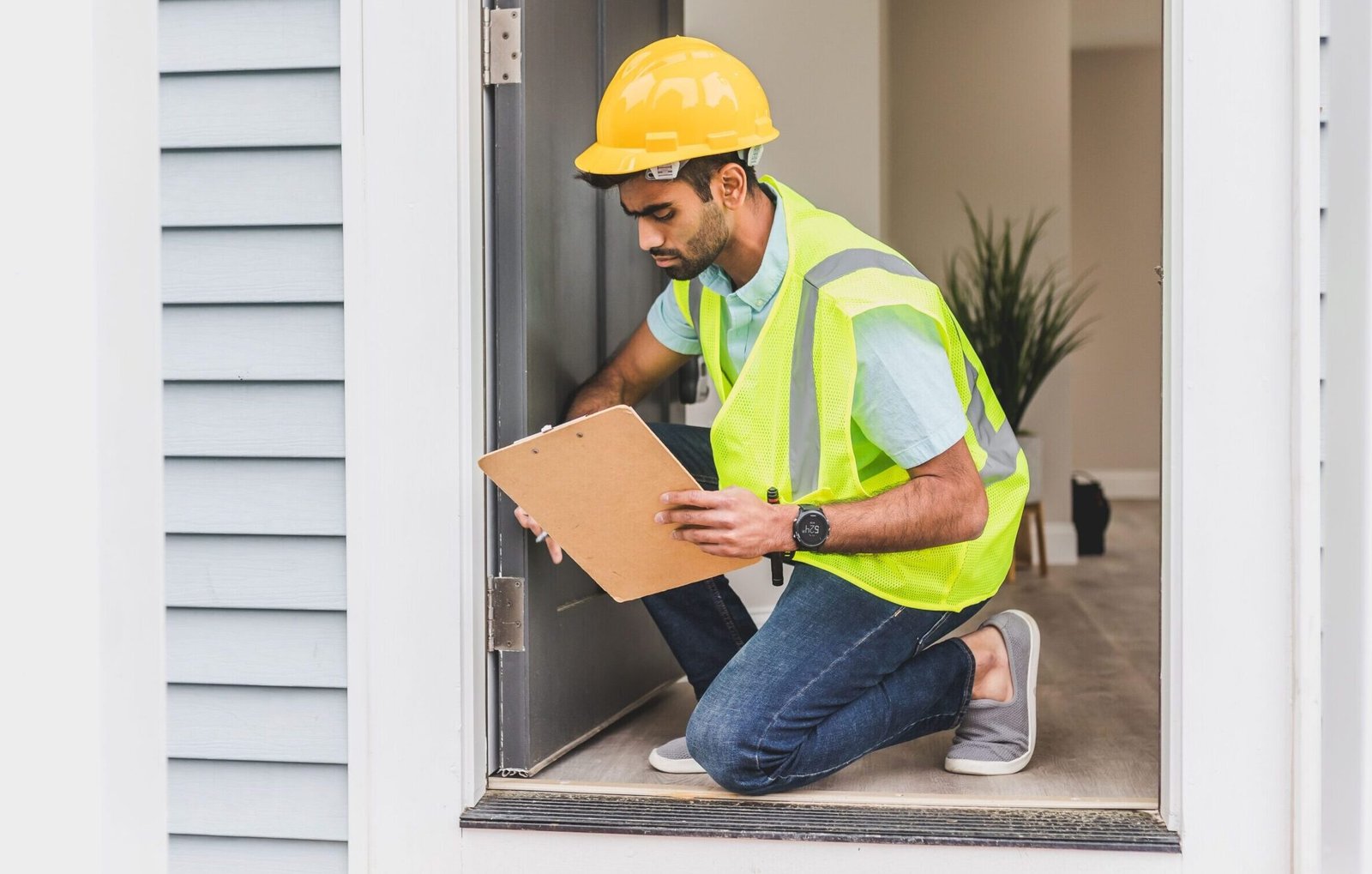
Article Outline
-
- What Is a Foundation Inspection and Why Does It Matter?
-
- Who Performs a Structural Engineer Foundation Inspection?
-
- Visual Inspection Tools: The First Step in Every Inspection Process
-
- How Do Structural Engineers Use Crack Monitors and Measuring Tools?
-
- What Laser and Level Tools Do Engineers Use to Detect Foundation Issues?
-
- Moisture Meters — Why Are They Critical for Foundation Inspection?
-
- How Do Ground-Penetrating Radar and Sonic Tools Help Engineers?
-
- What Role Do Soil Testing Tools Play in a Structural Inspection?
-
- How Do Engineers Use Digital Reporting and Drone Technology Today?
-
- What Should Homeowners Expect After a Foundation Engineer Inspection?
1. What Is a Foundation Inspection and Why Does It Matter?
A foundation inspection is a systematic examination of a home’s base structure to identify cracks, shifting, settlement, or moisture damage that could compromise the safety of the building. This type of inspection is typically far more detailed than a general home inspection, because it focuses specifically on the structural elements that carry the entire weight of the house. A structural engineer looks beyond surface-level cosmetic issues to understand what is happening structurally underneath.
For many home buyers, a foundation inspection is a non-negotiable part of the purchasing process. A house may look perfect on the surface, but hidden foundation issues can lead to tens of thousands of dollars in repairs if left unnoticed. This is precisely why structural engineers use specialized equipment rather than relying only on visual judgment — the tools reveal problems that are invisible to the untrained eye.
Understanding the purpose of this inspection also helps homeowners appreciate the value of hiring a qualified professional. A proper inspection process doesn’t just identify problems; it also determines their severity, the likely cause, and whether the issue is cosmetic or a genuine safety concern.
2. Who Performs a Structural Engineer Foundation Inspection?
A structural engineer foundation inspection is normally carried out by a licensed structural engineer, someone trained specifically in analyzing load-bearing systems, soil behavior, and material performance under stress. Unlike a general home inspector, who evaluates a broad range of systems including plumbing, electrical, and roofing, a structural engineer’s expertise is concentrated entirely on the structural integrity of the home.
This distinction matters a great deal to home buyers and homeowners alike. While a general home inspection might flag a crack as a “possible concern,” only a qualified structural engineer can determine through testing and calculation whether that crack indicates active foundation movement or is simply cosmetic settling that occurs in nearly every structure over time.
Engineers use their training alongside precise instruments to reach conclusions that are backed by data, not guesswork. This combination of expertise and equipment is what makes a structural evaluation so much more reliable than a casual visual check.

3. Visual Inspection Tools: The First Step in Every Inspection Process
Even with advanced technology available, every inspection process begins with basic visual tools. A structural engineer’s toolkit almost always includes a high-powered flashlight, an inspection mirror on an extendable pole, and a digital camera or smartphone with a high-resolution lens for documentation. These tools allow the engineer to examine hard-to-reach crawl spaces, basement corners, and areas beneath the home where foundation issues commonly begin.
Borescopes — small cameras attached to flexible cables — are also frequently used. These allow structural engineers to see inside wall cavities or narrow gaps without needing to break through drywall or concrete. This is especially useful when checking for hidden water damage or termite activity that could be worsening a foundation problem.
Detailed photo and video documentation captured during this stage becomes part of the official inspection report, giving home buyers and homeowners visual proof of any findings, along with a reference point for tracking whether an issue worsens over time.
4. How Do Structural Engineers Use Crack Monitors and Measuring Tools?
One of the most important questions homeowners ask is: how do you know if a crack is dangerous? This is where crack monitors come in. These small devices are installed directly over an existing crack and measure any widening or shifting over weeks or months. Structural engineers use these monitors to distinguish between “dead” cracks — which are no longer moving — and “active” cracks, which indicate ongoing structural movement.
Alongside crack monitors, engineers rely on simple but essential measuring tools such as tape measures, crack width gauges (also called crack comparators), and calipers. A crack width gauge allows the engineer to record the precise width of a crack in millimeters, which is far more accurate than an estimate made by eye. This precision is critical, because building codes and engineering standards often use crack width as one factor in determining the severity of a foundation inspection finding.
These measurements are typically recorded at multiple points along a crack, since cracks often vary in width from one end to the other. This data becomes essential during the structural inspection, helping the engineer build a clear picture of whether the movement is isolated or spreading throughout the foundation.
5. What Laser and Level Tools Do Engineers Use to Detect Foundation Issues?
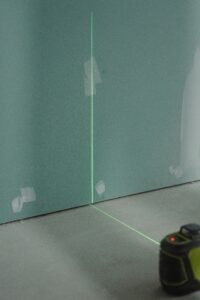
Uneven floors and tilting walls are some of the clearest signs of foundation trouble, and structural engineers use laser levels and rotary laser tools to measure these irregularities with precision. A laser level projects a perfectly straight, horizontal line across a room, instantly revealing whether a floor slopes or a wall leans out of alignment.
In addition to laser levels, engineers often use a tool called a “story pole” combined with a digital level or inclinometer to measure the exact degree of tilt in a wall or column. Some professionals also use elevation survey equipment, such as a Zip Level or manometer-based water level, to measure floor elevation differences across an entire house. This method is especially valuable for large foundation inspection projects where multiple rooms need to be compared against each other.
These laser and elevation tools give home buyers and homeowners hard numerical evidence rather than subjective opinions. Instead of simply saying “the floor looks uneven,” an engineer can report an exact elevation difference measured in inches or millimeters across a specific span, which is far more useful for planning repairs.
6. Moisture Meters — Why Are They Critical for Foundation Inspection?
Water is one of the leading causes of foundation issues, which is why moisture meters are a staple in every structural engineer’s toolkit. These handheld devices measure the moisture content within concrete, wood, or masonry by using either pin-type probes that penetrate the surface or pinless sensors that read moisture levels non-invasively.
During a foundation inspection, elevated moisture readings near the base of a wall often indicate poor drainage, a plumbing leak, or groundwater intrusion — all of which can weaken foundation materials over time and accelerate cracking. Engineers use these readings alongside visual signs like efflorescence (white mineral deposits) or musty odors to build a complete picture of water-related damage.
For homeowners, moisture meter readings are often one of the most actionable parts of an inspection report. Correcting a drainage problem early is usually far cheaper than repairing the structural damage that results from years of unaddressed water infiltration.
7. How Do Ground-Penetrating Radar and Sonic Tools Help Engineers?
For more advanced cases, structural engineers use ground-penetrating radar (GPR) to see beneath concrete slabs and foundation walls without any demolition. GPR sends radar pulses into the ground or concrete and reads the reflected signals to map out subsurface features such as rebar placement, voids, soil layers, or even pipes that may be affecting foundation stability.
Sonic and ultrasonic testing tools serve a similar purpose but focus specifically on detecting internal flaws within concrete itself, such as honeycombing, delamination, or hidden cracks that don’t reach the surface. These tools send sound waves through the material and analyze how the waves travel, which can reveal weaknesses invisible to any visual inspection.
While these tools are more expensive and typically reserved for complex or high-stakes structural inspection cases, they provide a level of detail that is simply impossible to achieve through observation alone. This technology is particularly valuable for older homes where the original construction records may be incomplete or missing.
8. What Role Do Soil Testing Tools Play in a Structural Inspection?
Since a foundation only performs as well as the soil beneath it, soil analysis is a core part of many structural engineer foundation inspection projects. Engineers use tools like hand augers, penetrometers, and soil moisture probes to evaluate soil composition, density, and moisture content directly around the foundation perimeter.
Expansive clay soils, for example, swell dramatically when wet and shrink when dry, creating repeated stress cycles on a foundation that can lead to cracking over time. A penetrometer helps the structural engineer measure soil bearing capacity, which determines whether the existing foundation design is adequate for the soil conditions or whether reinforcement is needed.
This soil-focused portion of the inspection process is often overlooked by homeowners who assume foundation problems come only from the structure itself. In reality, many foundation issues actually originate below ground, making soil testing tools just as important as the structural measuring instruments used above ground.

9. How Do Engineers Use Digital Reporting and Drone Technology Today?
Modern structural inspection tools have expanded well beyond handheld devices. Many structural engineers now use tablet-based software to record measurements, photos, and notes directly on-site, generating a digital report in real time rather than relying on paper notes compiled later. This reduces errors and speeds up the delivery of results to homeowners and home buyers.
Drones equipped with high-resolution cameras are increasingly used for inspecting exterior foundation walls, especially on larger properties or homes with difficult access points such as steep slopes or tall retaining walls. Thermal imaging cameras, sometimes mounted on drones or handheld, can also detect temperature variations that reveal moisture intrusion or insulation gaps near the foundation line.
This shift toward digital and aerial tools reflects how much the inspection field has evolved. Engineers use this technology not to replace traditional hands-on methods, but to complement them, providing a broader and more efficient way to document a property’s condition during a foundation engineer inspection.
10. What Should Homeowners Expect After a Foundation Engineer Inspection?
Once the inspection process is complete, homeowners typically receive a detailed written report outlining every finding, measurement, and recommendation. This report usually classifies foundation issues by severity — distinguishing between cosmetic concerns that require monitoring and serious structural problems that need immediate repair.
For home buyers, this report often becomes a key negotiating tool during a real estate transaction, potentially affecting price, repair requests, or even the decision to proceed with a purchase at all. For existing homeowners, the report serves as a roadmap for prioritizing repairs and budgeting for necessary work.
It’s worth remembering that not every crack or uneven floor signals a crisis. Part of what makes a professional structural engineer foundation inspection so valuable is the ability to separate normal, expected settling from genuine structural risk — giving homeowners peace of mind backed by real data rather than guesswork.

Key Takeaways: What to Remember
- A foundation inspection focuses specifically on structural safety, going far deeper than a general home inspection.
- A structural engineer foundation inspection is performed by a licensed professional trained to interpret data from specialized tools, not just visual observation.
- Crack monitors and crack width gauges help determine whether a crack is actively growing or stable over time.
- Laser levels and elevation tools provide precise, numerical evidence of floor and wall irregularities.
- Moisture meters are essential for catching water-related foundation issues before they cause serious damage.
- Ground-penetrating radar and sonic testing tools reveal hidden problems inside concrete and soil that are invisible to the naked eye.
- Soil testing tools matter just as much as structural tools, since many foundation problems begin below ground.
- Modern structural inspection tools now include digital reporting software, drones, and thermal imaging for faster, more thorough results.
- A final inspection report helps both homeowners and home buyers understand the true condition of a property and plan next steps with confidence.